
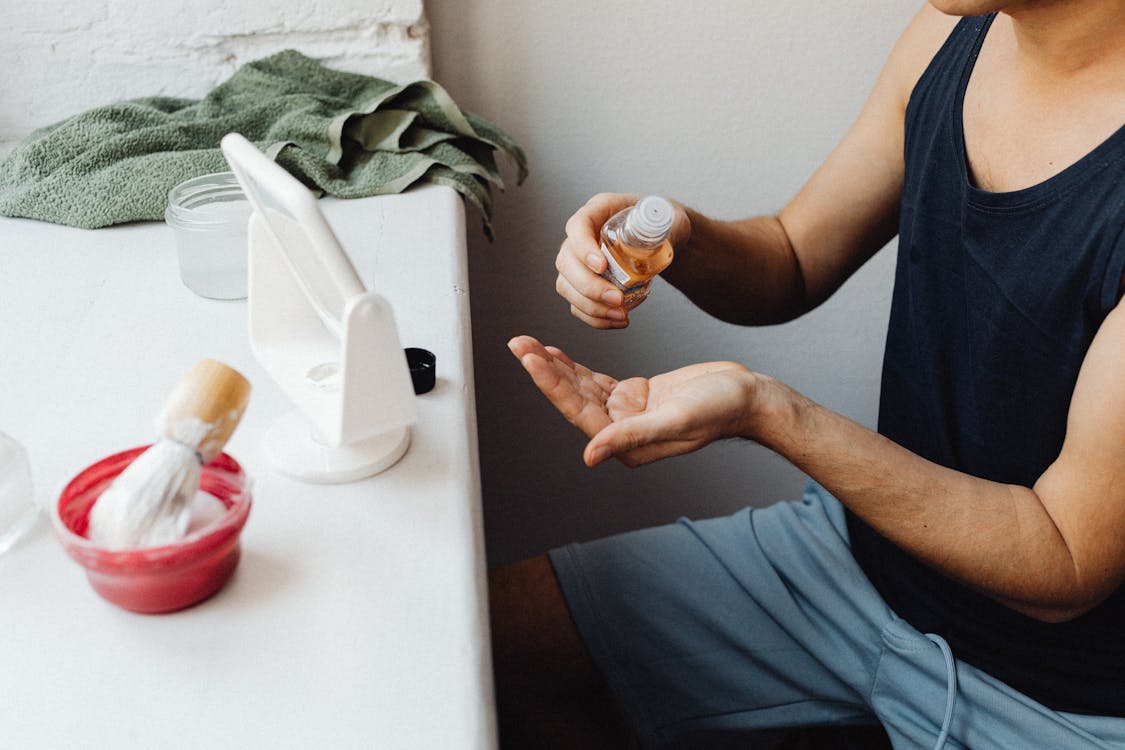
Aftershave is a concoction applied to the face after shaving. It helps to reduce irritation and calm the skin. Historically, aftershave was a liquid with an alcohol base. But it is now also available in gel and lotion form.
Perhaps you wonder which aftershave works best. Everybody has different preferences. You may not find the “best” option overall. Rather, choosing the one that works best for your skin type is crucial.
But worry not. Below, we address all of your inquiries about this toiletry product.
What is aftershave?
The term refers to any liquid, oil, gel, or other product we apply to the body after shaving. While some people use it religiously, others have never used it. Generally speaking, using aftershave to cleanse or calm your skin is harmless.
There are different types of this toiletry product. They range from cheap aftershave options to premium, high-end products. Regardless of price, all of them contain an antibacterial solution that helps prevent infection or inflammation after shaving. However, some, particularly lower-quality ones, may contain ingredients that can be harsh or damaging to your skin.
Why use aftershave?
As the name suggests, aftershave is intended to moisturize your skin after shaving. The specific ingredients in the product determine its benefits. However, conventional alcohol-based astringent aftershave functions as a facial sanitizer following hair shaving.
This is because shaving frequently leaves behind several small cuts, exposed skin, and pores. These are more susceptible to bacteria or other materials becoming trapped.
Common aftershaves have ethyl alcohol or isopropyl alcohol (isopropanol). These components are comparable to those found in hand sanitizer and home cleaners like rubbing alcohol.
They remove toxins or bacteria from your face after shaving. This explains why alcohol-based aftershave frequently stings when applied to the face. It is anti-microbial. However, using alcohol-based aftershaves over time may cause more harm to your skin than good.
More natural aftershaves and moisturizers can still help keep the skin hydrated and prevent bacteria from seeping into cuts. Additional health advantages of using natural components in aftershaves include:
• Sealing pores to keep chemicals, bacteria, or debris out. This can reduce razor bumps, burns, or breakouts.
• Reducing skin damage and ingrown hair-related irritation and swelling.
• Promoting faster healing of shaving cuts.
• Shielding open pores with a layer of liquid or oil. This prevents irritation of the hair follicles. It also encourages skin tissue regeneration to preserve your skin’s health.
• Giving your skin a nice scent.
Are there different types of aftershave?
Aftershave comes in three main varieties: lotion-based, gel-based, and liquid-based (the most widely used kind). Barbershops have primarily used liquid-based alcohol aftershaves in previous decades. But these days, there are more alternatives to suit various skin types.
Each of the three varieties offers special advantages and can be applied to produce various outcomes. They all contain some kind of antiseptic to reduce the possibility of infection and inflammation following shaving.
Below, we explain in detail about each of the three aftershave varieties:
Lotion-based
This is applied to the skin to moisturize it after shaving. The product’s moisturizing properties aid in the treatment of dry skin. This leaves the face feeling smoother after shaving. Lotion-based aftershave is best used in the winter. However, people with extremely dry skin can use it all year round.
Gel-based
The advantages could vary depending on the kind of gel used with aftershave. Some gel aftershaves are used purely for their pleasant scent. Others are meant to incorporate additional nutrients, such as fish oil, into the skin. Those with sensitive skin may benefit from this kind of product if the gel contains the right components, such as aloe.
Liquid-based
This is the classic kind of aftershave. Its alcohol acts as an antibacterial and may burn more intensely than gel and lotion aftershaves. However, liquid-based varieties are usually effective at cleaning shaving cuts and are strong antiseptics.
Which ingredients are necessary for aftershave?
Ordinary aftershave with an alcohol component will destroy some germs. It won’t, however, provide you with any long-term health advantages.
Refrain from using aftershaves that include artificial fragrances. The substances used in many fragrances are undocumented and could irritate you or create allergies.
If you want some potential health benefits after shaving, search for the following ingredients in an aftershave:
• Witch hazel: An astringent derived from plants and a good substitute for alcohol.
• Shea butter: A moisturizer made from nuts.
• Essential oils for fragrance and calming effects. For instance, eucalyptus oil is good for blood vessel dilatation and improved blood flow. Lavender oil is also good for relaxation.
• Vitamin E oil for immunological and skin health maintenance.
• Aloe vera for skin hydration. It also relieves burns and repairs damaged skin.
• Chamomile extract to calm skin.
• Glycerin to hydrate skin.
• Natural fragrances such as oatmeal, cedarwood, green tea, or anise.
What’s the best way to use aftershave?
To apply aftershave, first trim your facial hair with a clean, sharp razor. Aftershave will burn more intensely than usual if the razor is dull since it will tug and scratch your skin.
Make sure to apply your aftershave after shaving. If it’s liquid-based, you can apply it with a cotton ball or your hands. The procedure for applying is the same regardless of the base:
• Make sure the shaved areas of your face are soaking up most of the liquid as you dab it on.
• It’s easy to overlook the area beneath your chin, so make sure to rub the aftershave there as well.
• Afterward, feel free to spritz your face with a handful of water to get rid of any remaining liquid that your skin isn’t able to absorb.
How much aftershave is enough?
Excessive aftershave can be hazardous, much like cologne. First of all, it is needless and costly to waste this toiletry—a little goes a long way.
A strong aroma will cause more harm than good. Using too much aftershave can also result in excessive burning.
How much do you require, then?
The recommended amount is about ½ teaspoon, or “a couple of drops,” of aftershave. You want to have enough to spread around your neck and cheeks without oversaturating your skin.
Conclusion
Applying aftershave can have some short-term benefits in terms of fighting bacteria. Natural-based ones also moisturize, repair, and soothe your skin after shaving.