
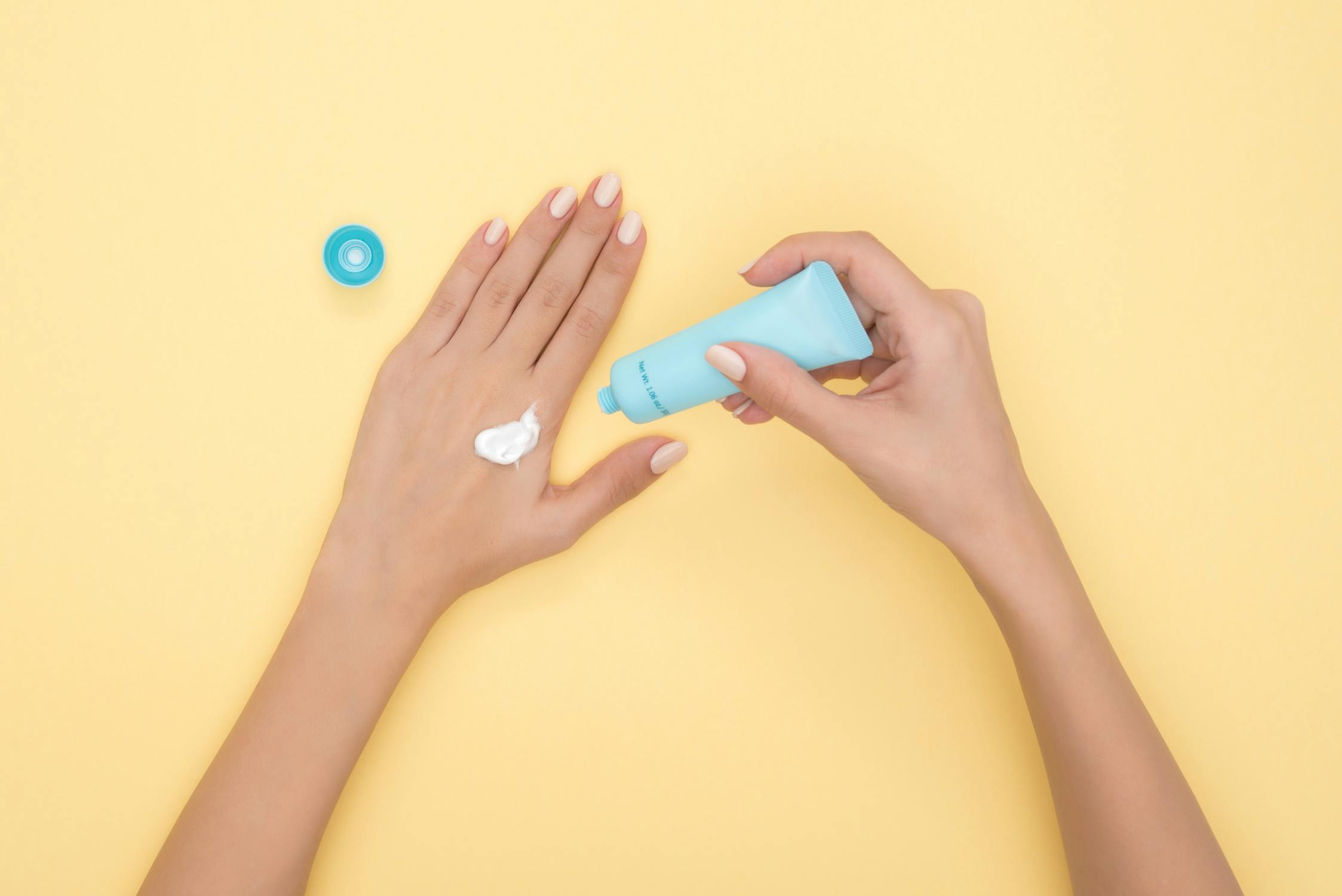
Radiant skin isn’t just about genetics or expensive serums—it’s about consistency, strategy, and knowing how to make each step in your skincare routine work harder. One of the most transformative (yet often misunderstood) steps is exfoliation. By gently removing the dead skin cells that accumulate on the surface, exfoliation clears the way for your products to penetrate more effectively and your natural glow to shine through.
While both physical and chemical exfoliants can be effective, chemical exfoliation has taken centre stage in modern skincare for its precision, versatility, and ability to deliver powerful results with minimal irritation—when done correctly.
Brands like SkinGym have embraced this approach, offering innovative chemical exfoliants that are formulated to target dullness, clogged pores, and uneven texture without the harsh scrubbing of traditional methods. These formulas often use alpha-hydroxy acids (AHAs) like glycolic or lactic acid, or beta-hydroxy acids (BHAs) like salicylic acid to dissolve the bonds that hold dead skin cells together, revealing fresher, smoother skin beneath.
Why Chemical Exfoliation Works Better for Most Skin Types
Unlike physical exfoliants that rely on granules or brushes to manually slough off skin cells, chemical exfoliants use acids or enzymes to gently dissolve dead skin. This method is often better tolerated by sensitive or acne-prone skin and is less likely to cause microtears or irritation.
AHAs, such as glycolic and lactic acids, work on the skin’s surface to brighten and smooth. They’re ideal for dry, dull, or aging skin. BHAs, like salicylic acid, penetrate deeper into the pores, making them perfect for oily or acne-prone complexions. Because of their ability to work on a microscopic level, chemical exfoliants provide more even and effective results compared to manual scrubs.
Exfoliation as a Skincare Multiplier
Incorporating chemical exfoliation into your weekly skincare routine doesn’t just improve skin texture—it amplifies the effectiveness of everything else you use. When your skin is free of the debris and dead cells that can block absorption, your serums, moisturizers, and treatments can do their job much better.
Here’s what a regular exfoliation routine can do for your skin:
- Unclog pores: Helps reduce blackheads and prevent breakouts.
- Improve texture: Leaves skin feeling smoother and looking more even.
- Brighten complexion: Removes dull surface cells to reveal radiant skin.
- Enhance product absorption: Clears the way for deeper penetration of active ingredients.
- Stimulate cell renewal: Encourages healthy skin turnover for long-term skin health.
Chemical exfoliants can also help fade hyperpigmentation and post-acne marks with consistent use, contributing to a more balanced and even skin tone over time.
How to Incorporate Chemical Exfoliation Safely
Despite their benefits, chemical exfoliants must be used thoughtfully. Overuse or combining with other actives like retinoids can lead to irritation or sensitivity. For most people, starting with 2–3 times per week and adjusting based on skin response is ideal.
Be sure to:
- Patch test new exfoliating products before full application.
- Hydrate afterward with a soothing serum or moisturizer to support the skin barrier.
- Always wear sunscreen, as exfoliated skin is more susceptible to sun damage.
Many exfoliating products are designed with balancing ingredients like hyaluronic acid or calming botanicals to support hydration and minimize irritation.
Conclusion
Regular chemical exfoliation is more than just a beauty trend—it’s a foundational step that can dramatically enhance your skincare routine. By revealing fresh skin and removing barriers to absorption, it sets the stage for real transformation. And with smart, science-backed formulas, it’s easier than ever to get that glow without the guesswork.
Add this one step to your routine and watch how the rest of your products—and your skin—perform at a whole new level.